I’ve cooked on both kamado grills and offset smokers over the years, and they’re very different to live with — not just in how they cook, but in how much effort they take and how consistent the results are.
At first glance, they both do low and slow BBQ. But once you actually start using them, the experience couldn’t be more different. One is hands-on and all about managing a live fire. The other is far more controlled and forgiving once it’s set up.
If you’re trying to decide between an offset smoker and a kamado, this guide breaks down the real differences based on actual use — not just specs — so you can choose what actually fits how you like to cook.
Burning Brisket is reader-supported. When you buy through links on our site, we may earn an affiliate commission. Read our affiliate policy to learn more.
Quick Verdict
These cook very differently — one is hands-on and fire-driven, the other is more controlled and easier to manage day-to-day.
Choose an offset smoker if:
- You want the best possible smoking flavour
- You enjoy managing a live fire and being involved
- You cook larger quantities regularly
- You like the traditional BBQ experience
Choose a kamado if:
- You want something easier to use and more consistent
- You want one cooker that can grill, roast, and bake as well
- You don’t want to babysit a fire all day
- You care about fuel efficiency and convenience
Table of Contents
Quick Comparison: Offset vs Kamado
If you just want the quick differences, this is the easiest way to see how they compare:
| Category | Offset Smoker | Kamado |
|---|---|---|
| Best for | Traditional low-and-slow BBQ, hands-on cooking | All-purpose cooking with less effort |
| Effort required | High (fire management, constant adjustments) | Low to moderate (set and hold temps) |
| Smoking flavour | Best possible, clean wood smoke | Very good, slightly heavier smoke |
| Ease of use | Harder to learn | Much easier to manage |
| Cooking capacity | Larger, better for big cooks | More limited (but flexible with tiers) |
| Versatility | Mostly smoking | Smoke, grill, roast, bake, sear |
| Fuel efficiency | Lower | Much higher |
| Day-to-day use | More of a hobby | Easier to fit into regular life |
If you’re also weighing up other fuel types, this guide on offset vs pellet smoker is worth a look.
They’re More Similar Than You Think (And That’s Important)
Both of these are capable of making seriously good barbecue.
They can both:
- smoke low and slow
- run on charcoal with wood for flavour
- last a long time if you buy a decent one
The key point is this:
👉 You’re not choosing between “good BBQ” and “bad BBQ.”
You’re choosing between:
- a more hands-on, traditional experience (offset)
- a more controlled, easier-to-manage one (kamado)
That difference matters far more than anything else.
Offset Smoker vs Kamado: Key Differences
Flavor and Smoke Quality (Biggest Difference)
This is the biggest difference for me.
Kamados can produce really good food, but a well-run offset still gives the better smoking flavour. The fire in an offset burns more cleanly because it’s getting plenty of oxygen, which produces that light, clean blue smoke.
In a kamado, the charcoal tends to smoulder more. You still get great results, but the smoke is a bit heavier and not quite as clean.
Side by side, I notice the difference. It’s not that kamados taste bad — they don’t — but if your goal is the best possible brisket or ribs, the offset still has the edge.
If brisket is your main focus, this guide on how to smoke brisket is worth a read.

How Much Work Each Smoker Takes
Offsets need you there.
You’re managing the fire, checking fuel, adjusting airflow, and making sure things don’t drift too far. If you leave it too long, temperatures can swing and the cook can get away from you.
That’s part of the appeal for some people. If you enjoy tending a fire, it’s incredibly satisfying.
A kamado is much easier to live with. You still need to set it up properly and dial in the vents, but once it’s sitting where you want it, it usually stays there.
That’s why I think of offsets as a hobby in themselves, while kamados fit much more easily into everyday life.

Cooking Capacity (How Much You Can Fit)
Offsets almost always win here.
Even a fairly modest offset gives you more usable cooking space than most kamados. That matters if you’re cooking multiple racks of ribs, pork butts, or a full packer brisket.
Kamados are naturally limited by their round shape. Some models use multi-level grates to help, but they still don’t match the space of a good offset.
If you regularly cook for a crowd, offset is the easier option.
Heat Control and Consistency
Kamados are more stable.
The ceramic body holds heat extremely well, creating a steady cooking environment. Once dialled in, it tends to stay there.
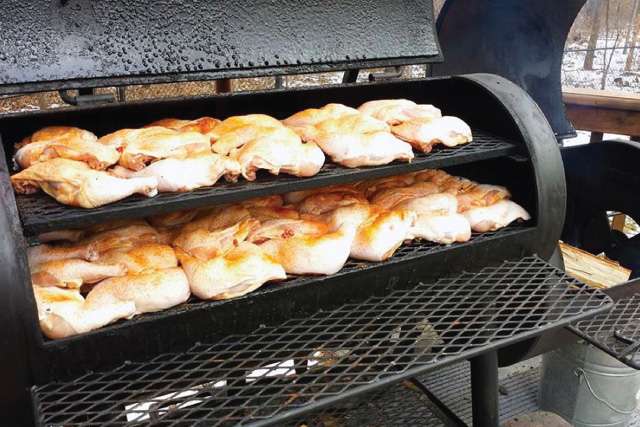
Offsets are less even, especially cheaper ones. The area closest to the firebox runs hotter, which can leave noticeable temperature differences across the grate.
That can be frustrating at first, but once you learn your smoker, you can use those zones to your advantage.
Versatility (What Else You Can Cook)
This is where kamados clearly win.
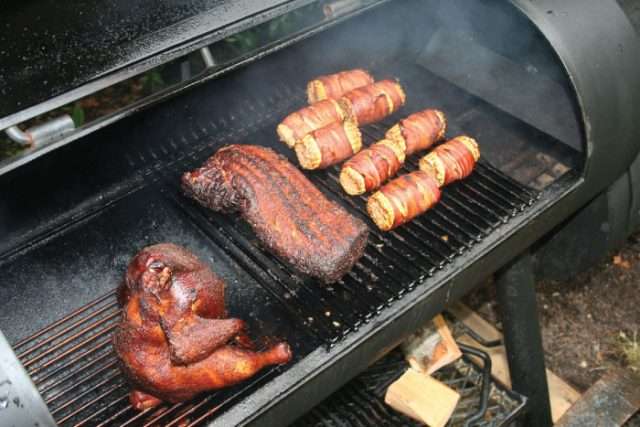
An offset is mainly a smoker. Some can grill, but it’s not what they’re built for.
A kamado can:
- smoke
- grill
- roast
- bake
- sear
If you want one cooker to do everything, a kamado makes far more sense.
Learning Curve (How Hard They Are to Use)
Both take some learning, but offsets are harder.
With a kamado, you’re learning airflow and fuel control. Once you understand that, it’s fairly predictable.
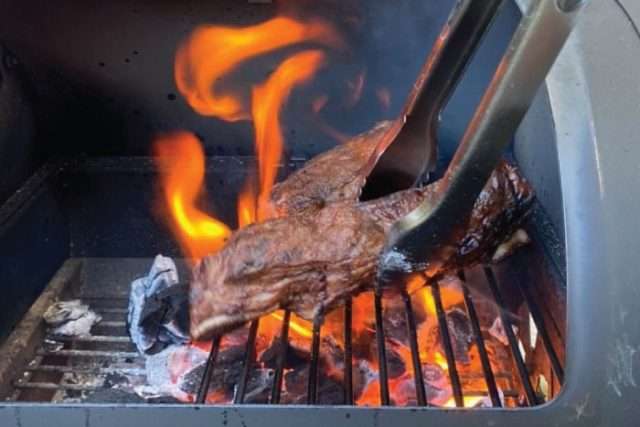
With an offset, you’re learning fire management. That takes time, and you’ll make mistakes along the way.
Not everyone wants their smoker to feel like a project every time they use it.
Fuel Efficiency and Running Costs
Kamados are much more efficient.
They hold heat so well that a relatively small amount of charcoal lasts a long time. That makes them cheaper and easier to run, especially if you cook often.
Offsets burn more fuel, especially cheaper ones with thinner steel or leaks.
That said, if you have access to hardwood, offsets can be cheaper to run than they look.
Real Cooking Experience
Using an offset feels like you’re actively cooking the whole time.
You’re watching the fire, adding fuel, adjusting vents, and constantly checking how things are running. There’s a rhythm to it, and when everything lines up, it’s incredibly satisfying. But it also means you’re tied to the smoker for most of the cook.
I’ve had cooks run perfectly and others where I spent a lot of time chasing temperature swings. That’s just part of using an offset.
A kamado is very different.
Once it’s lit and dialled in, it settles. You’re not constantly adjusting things, and you can step away without worrying about the temperature drifting too far.
It still takes some setup, but after that, it’s much more relaxed. That’s why I tend to use a kamado more often for everyday cooking, even though I still prefer the offset when I want the best smoking result.
Offset vs Kamado: Which One Should You Choose?

Choose an offset smoker if:
- You enjoy the hands-on side of BBQ
- You want the best smoking flavor
- You like managing a real fire
- You cook for larger groups
- You’re happy with a steeper learning curve
Skip an offset smoker if:
- You want a more relaxed cooking experience
- You don’t have time to manage a fire
- You mostly grill rather than smoke
- You want easier temperature control

Choose a kamado if:
- You want one cooker that can do everything
- You want steadier temperature & less effort
- You cook for a smaller household
- You care about fuel efficiency
- You want something easier to use regularly
Skip a kamado if:
- You mainly want the best possible smoked flavour
- You regularly cook large amounts of food
- You want to burn full wood logs
- You don’t want to deal with a heavy ceramic cooker
Buying Advice (Quick Guide)
If you’re still unsure, it usually comes down to this:
- If you want smoking to be the main event and enjoy the process → go offset
- If you want something easier that fits into regular life → go kamado
For beginners, I’d prioritise:
- easy temperature control
- enough space for how you actually cook
- decent build quality for the price
- something you’ll realistically enjoy using
A smoker that feels like hard work every time often ends up not being used.
If you’re open to other styles, this guide on pellet vs charcoal smokers introduces another offset alternative that’s less hands-on.
Recommended Offset and Kamado Smokers
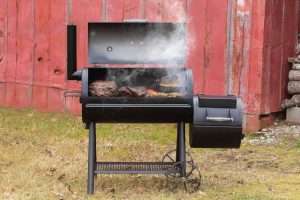
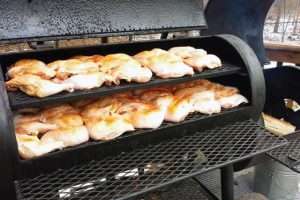
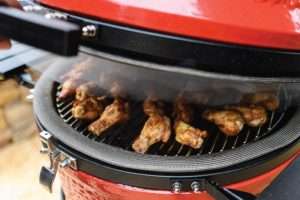
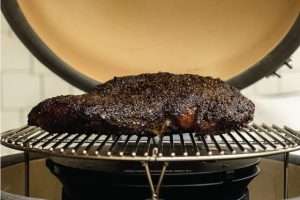
If you’ve figured out which type suits you better, these are the smokers I’d start with based on budget and how serious you are about cooking.
Offset Smokers

Also see the: Best Offset Smokers Under $1000 | Best Offset Smokers Under $500
Kamado Grills
Conclusion
An offset is the better smoker.
A kamado is the easier cooker to live with.
If you want the best smoking flavour and enjoy managing a live fire, an offset is hard to beat. If you want something more versatile, efficient, and easier to use regularly, a kamado is usually the smarter choice.
FAQs
Are offset smokers better than kamados?
For smoking performance alone, I’d say yes. A good offset gives you cleaner smoke and, in my opinion, better BBQ flavour.
But that doesn’t automatically make it the better buy for everyone. Kamados are easier, more efficient, and more versatile.
Can a kamado run on wood logs like an offset?
Not really in the same way. Kamados are generally designed around charcoal with wood chunks added for smoke. They’re not meant to be run like a true stick burner.
Does a kamado need frequent monitoring like an offset does?
No. You still need to light it properly and dial it in, but once it’s settled, a kamado usually needs far less attention than an offset.
Which will last longer, an offset or a kamado?
A good version of either can last a very long time. Heavy steel offsets and well-made kamados both have long lifespans, but cheap offsets tend to wear out faster, and ceramic kamados do carry the risk of cracking.

Jared Brown is a barbecue enthusiast with hands-on experience across a wide range of grills, smokers, and outdoor cooking setups. He enjoys testing different styles of barbecue and helping readers choose equipment that suits the way they actually want to cook, rather than chasing a one-size-fits-all answer. His practical, open-minded approach makes him a trusted voice for backyard cooks looking for honest guidance and better results.