Skip to content

How We Review Barbecues

Real cooking, temperature tracking, comparison testing, and honest buying advice — not just spec sheets.

Our Review Process

Burning Brisket is built around real backyard barbecue. The smokers, grills, pizza ovens, thermometers, fuels, and BBQ accessories we recommend are assessed based on how they actually work in normal home cooking conditions.

Not perfect weather. Not showroom lighting. Not just manufacturer claims.

The goal is simple: to help you understand what a barbecue is really like to live with before you spend your money.

Hands-On Transparency
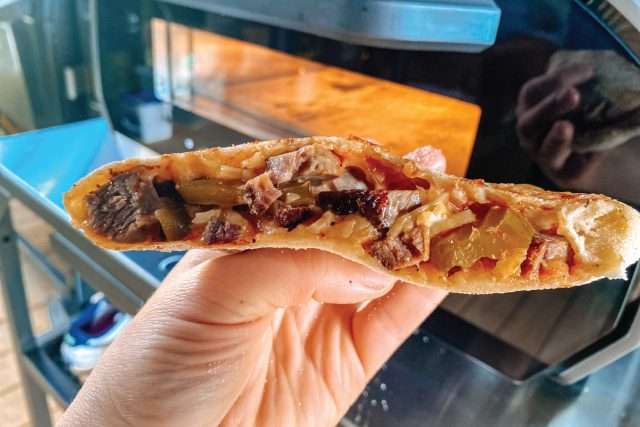
All-American Cheeseburger Calzone Recipe

Many of the barbecues featured on Burning Brisket are products we’ve assembled, cooked on, photographed, cleaned, and compared ourselves.

If a product is included without direct hands-on testing, we say so clearly.

Real Cooking

We test gear through normal backyard cooks, not just setup photos or manufacturer specs.

Temperature Tracking

We use thermometers and cook data to check temperature accuracy, swings, and recovery.

Honest Fit

We explain who each BBQ suits, who should skip it, and when another option makes more sense.

How We Test BBQ Gear

1

Unboxing & Assembly
Packaging, parts, build quality, fit, finish, and setup time.

2

Burn-In & Seasoning
Manufacturer first-use instructions followed before food touches the barbecue.

3

Real Cooking Tests
Brisket, ribs, pork, chicken, steak, sausages, and normal backyard meals.

4

Temperature Tracking
Thermometers and cook data used to check accuracy, swings, recovery, and grate level heat.

5

Weather Use
Wind, cold, rain, heat-up time, fuel use, and year-round practicality.

6

Value & Alternatives
Price, fit, who it suits, who should skip it, and better alternatives.

The Details Behind Each Review

The quick version is simple: I want to know what each barbecue is actually like to set up, cook on, clean, manage, and recommend.

The longer version is that a proper review takes time. Some products are simple to assess because they do one job. Others, like pellet grills or multi-fuel barbecues, need more testing because they are meant to smoke, grill, roast, bake, and handle different types of cooks.

Here’s what I look at before deciding whether something is worth recommending.

Unboxing and Assembly

For me, a barbecue review starts before the first cook.

Unboxing gives me the first proper look at how well a smoker or grill has been made. I look at how it was packed, how it travelled, what the parts are made from, how the finishing looks, and whether anything feels flimsy before it has even been assembled.

Once everything is out of the box, I follow the instructions and put it together properly.

During assembly, I pay attention to:

  • how clear the instructions are
  • how well the parts line up
  • whether the hardware feels solid
  • whether any steps are awkward or frustrating
  • how long the setup takes
  • whether the design makes sense once it is together
Oklahoma-Joe-Bronco-Unboxing

I also take photos during the process where useful, because setup is one of those things that can be hard to judge from a product listing.

Some barbecues go together quickly and logically. Others take longer, have awkward access points, or need a second set of hands. That matters, especially for beginners buying their first proper smoker.

Initial Burn-In and Seasoning

Before cooking food on any new smoker or grill, I follow the manufacturer’s burn-in or seasoning instructions.

That step is not optional for me.

A proper burn-in helps remove manufacturing residue, cures paint or coatings where needed, and gives the barbecue its first controlled heat cycle before food goes anywhere near it.

It is also a useful first test. I get to see how quickly the barbecue heats up, whether there are obvious leaks, how the vents or controller behave, and whether anything feels off before starting a real cook.

Real Cooking Tests

Grilling a meal on the Masterbuilt Gravity Series 560

The main part of any review is cooking on the barbecue repeatedly.

For full hands-on barbecue reviews, each product is used a minimum of 8 times, and often closer to 20 depending on what type of barbecue it is and how many cooking styles it is designed to handle.

A simple electric smoker might only need low-and-slow testing. A pellet grill that claims to smoke, roast, bake, and grill takes longer to assess properly because each function needs to be tested in a real way.

I do not try to force every barbecue into the same job. Instead, I test it based on what it is supposed to do.

For smoking, that usually means cooks like brisket, pork ribs, pork shoulder, whole chicken, and other smaller cuts. For grilling, I’ll usually test foods like steak, sausages, chicken, burgers, or similar quick cooks.

I also cook other food depending on the barbecue and what makes sense for the review, including seafood, vegetables, sides, pizza, or family meals.

The point is not to create perfect barbecue every time. The point is to see what happens during normal use.

What I’m watching for during real cooks:

Does it heat evenly? Does it hold temperature? Does the food dry out? Does it need constant adjusting? Is it easy to reload fuel? Is the grate layout actually useful? Does the smoke flavor match the type of smoker?

Temperature Tracking

Temperature control is one of the biggest things I look at when reviewing smokers.

I use wireless meat thermometers, including MEATER and ThermoPro Twin TempSpike probes, to track both food temperature and barbecue temperature during cooks.

That helps me check:

  • how close the barbecue runs to its set temperature
  • how much the temperature swings over time
  • whether the heat is even across the cooking area
  • how the barbecue responds after opening the lid
  • whether wind or cold weather affects performance
  • whether the built-in thermometer or controller is accurate

The apps also give me graphs I can look back over after a cook. That is useful because temperature problems are not always obvious while you are cooking.

Some smokers look steady on the built-in display but run hotter or cooler at grate level. Others hold well once settled but take a long time to recover after opening the lid. Those are the things I try to pick up before recommending anything.

MEATER Temperature Graph from smoking pork shoulder on Masterbuilt portable charcoal smoker

Poor Weather Performance

I test barbecue gear in real outdoor conditions, not just calm sunny days.

That means some reviews include cooking in wind, cold, drizzle, or less-than-perfect weather. I cook outside in conditions where the weather can change quickly, so I pay close attention to how smokers behave once the backyard is not ideal.

Poor weather can show up problems that a short test cook misses.

A smoker might:

  • burn through more fuel in wind
  • struggle to hold temperature in the cold
  • leak smoke or heat around thin doors
  • take longer to recover after opening
  • need more adjustment than expected
  • be unsuitable for rain or exposed areas
Seasoning the Ooni Koda 16

This is especially important if you plan to cook year-round, live somewhere windy, or do not have a fully covered outdoor cooking area.

Comparison Against Other Barbecues

A barbecue is rarely reviewed in isolation.

When I test a smoker, I compare it with other barbecues I have used in the same category, or with models that solve the same problem in a different way.

That might mean comparing:

  •  a pellet grill against other pellet grills
  • an electric smoker against other easy low-and-slow options
  • a drum smoker against a bullet smoker
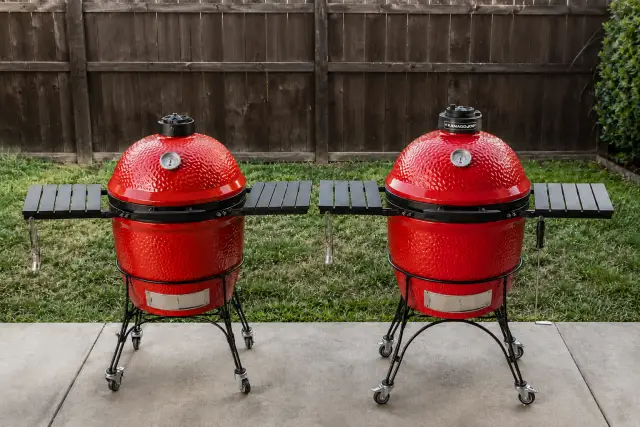
  • a kamado against an offset
  • a cheaper model against a more expensive upgrade

This is where a lot of the buying advice comes from.

A smoker can be good but still not be the best choice for everyone. The review should help you work out where each barbecue fits, not just whether it works.

Kamado Joe I beside Kamado Joe II

Cost and Value Assessment

Price matters, but I do not automatically recommend the cheapest smoker or the most expensive one.

When assessing value, I look at what the barbecue actually gives you for the money.

The best barbecue for one person might be too expensive, too complicated, too small, or too much effort for someone else.

So instead of just saying something is “good value,” I try to explain why the price does or does not make sense for a certain type of buyer.

A cheaper smoker can be a smart buy if it cooks well and suits the job. A premium smoker can also be worth it if the build, consistency, size, or features genuinely make cooking easier. But if something feels overpriced for what it does, I’ll say that too.

What I look at when assessing value:

  • cooking space
  • build quality
  • temperature control
  • ease of use
  • fuel use
  • cleaning and maintenance
  • durability expectations
  • included accessories
  • warranty and support
  • whether the extra features are actually useful

The best barbecue is not always the biggest, most expensive, or most feature-packed option. It is the one that fits your space, budget, cooking style, and how much effort you actually want to put in.

What We Look For When Reviewing Smokers

Depending on the product, I look at things like:

The goal is not to crown the biggest or most expensive barbecue as the winner.

The goal is to explain what each product is like to own, use, clean, cook on, and fit into normal backyard life.

How Burning Brisket Makes Money

A useful recommendation is worth more than pushing the product with the highest commission.

Read our full affiliate policy here.

Why This Process Matters

Buying BBQ gear can be confusing.

Most smokers look good in product photos. Most brands make similar claims. And most spec sheets do not tell you what something is like after the first few cooks, once you are dealing with ash, grease, wind, cleanup, fuel use, awkward racks, or a hungry family waiting for dinner.

That is where hands-on testing matters.

Real barbecue reviews should help you understand the trade-offs before you buy.

Common trade-offs we look for:

  • A pellet grill might be easy to use, but give a lighter smoke flavor than you expected.
  • An offset smoker might give stronger smoke flavor, but need more fire management than you want to deal with.
  • An electric smoker might be simple and consistent, but not suit everyone’s idea of traditional barbecue.
  • A kamado might be efficient and versatile, but heavier, more expensive, and less convenient to rearrange.

There is no single perfect smoker for everyone.

The right choice depends on your cooking style, budget, space, patience, and how much effort you actually want to put in.

That is what Burning Brisket is here to help with.

See the Review Process in Action

You can see this review process across our smoker guides, hands-on reviews, and comparison articles.

Oklahoma Joe's Longhorn Reverse Flow Smoker

BEST SMOKER GUIDES

Start here if you want help choosing between pellet, charcoal, electric, offset, and  kamado smoker options based on how you actually want to cook.

Smoking on the Z Grills 7052B

PELLET SMOKER REVIEWS

See how pellet grills compare for ease of use, temperature control, smoke flavor, cooking space, and real backyard performance.

Meat-Hanging-Inside-Pit-Barrel-Cooker-Classic

CHARCOAL SMOKER GUIDES

Explore drum smokers, bullet smokers, kamados, offsets, and charcoal setups for more hands-on fire management and stronger smoke flavor.

Racks Loaded Up on the Masterbuilt 40 Inch Digital Electric Smoker

ELECTRIC SMOKER REVIEWS

Find out where electric smokers work well, where they fall short, and whether they suit your space, budget, and cooking style.

Pit Barrel Cooker vs Oklahoma Joe's Bronco

SMOKER COMPARISONS

Compare different smoker styles side by side, including trade-offs in flavor, effort, fuel use, cooking style, and backyard practicality.

Final Thoughts

This review process is not about making every barbecue look good.

It is about working out what each smoker, grill, or BBQ accessory is actually like to use, where it performs well, where it gets frustrating, and who it is best suited to.

Some products are easy to recommend. Some are good, but only for the right person. Others do not make much sense once you compare them with better options.

That is the point of testing properly.

The more clearly I can explain those differences, the easier it is for you to choose the right barbecue for your backyard.