Offset smokers and vertical smokers are two of the most common ways to get into low and slow barbecue, but they feel completely different once you actually start cooking on them.
Offset smokers are all about managing a live fire. You’re constantly adjusting airflow, adding fuel, and working to keep temperatures steady. It’s hands-on, but it gives you a high level of control over smoke flavour and cooking style.
Vertical smokers is a broader category that usually refers to charcoal-based upright smokers — including bullet, drum, and cabinet-style designs. These are stacked cookers that focus more on efficiency and ease of use, where heat rises naturally through the cooking chamber.
If you’re trying to decide between the two, it really comes down to how you want to cook: full control and involvement, or simpler, more relaxed smoking that still produces great results.
In this guide, we’ll break down how each one works in real use, what they’re like to cook on, and which type actually fits your style.
Burning Brisket is reader-supported. When you buy through links on our site, we may earn an affiliate commission. Read our affiliate policy to learn more.
Quick Verdict
These cook very differently — one is hands-on and skill-driven, the other is more controlled and easier to manage day to day.
Choose an offset smoker if:
- You want the best possible smoke control and flavour potential
- You enjoy managing fire and temperature during a cook
- You want the most traditional BBQ pitmaster experience
- You’re happy trading time for better results
Choose a vertical smoker if:
- You want the best easy-to-use smoking setup
- You prefer set-and-forget cooking with fewer adjustments
- You want the best value and space-efficient option
- You want consistent results with less effort
Table of Contents
Quick Comparison: Offset vs Vertical Smokers
If you just want the quick differences, this is the easiest way to see how they compare.
| Category | Offset Smoker | Vertical Smoker |
|---|---|---|
| Best for | Best flavour control & traditional BBQ | Best easy backyard smoking |
| Effort required | High (hands-on fire management) | Low–moderate |
| Smoking flavour | Best potential flavour quality | Very good and consistent |
| Ease of use | Harder learning curve | Best for beginners |
| Cooking capacity | Best for large cooks | Best space-efficient capacity |
| Versatility | Some grilling ability | Limited grilling ability |
| Fuel efficiency | Moderate to low | Best fuel efficiency |
| Day-to-day use | Best for involved cooking sessions | Best for relaxed cooking |
If you’re still deciding what kind of smoker fits your cooking style, you can also check out best smokers on the market.
Both Will Make Great BBQ — The Real Difference Is How You Cook
Both offset smokers and vertical smokers are best-in-class BBQ tools when used properly.
Both are capable of:
- Producing best-quality low and slow barbecue
- Cooking brisket, ribs, pork shoulder, and more
- Running long overnight cooks
- Delivering real smoke flavour and bark
The real difference isn’t capability — it’s how involved you want to be while cooking.
Offset Smoker vs Reverse: Key Differences
Flavor and Smoke Quality
If you’re chasing the best possible smoke flavor, an offset smoker has the higher ceiling. Because the fire is burning in a separate firebox, the heat and smoke move across the cooking chamber before they hit the meat. When the fire is running cleanly, that gives you a lighter, cleaner smoke profile that’s hard to beat.
That’s the big appeal of an offset. You’re not just setting a temperature — you’re managing combustion. The quality of your smoke depends on how well you build the fire, how much airflow you give it, and how cleanly the wood is burning

A vertical charcoal smoker can still make very good barbecue. You can get strong smoke flavor, good bark, and a proper smoke ring. But because the fire is directly underneath the food, the smoke profile can be a bit heavier, especially if the charcoal or wood chunks are smoldering rather than burning cleanly.

For most backyard cooks, a good vertical smoker will still produce barbecue they’re really happy with. But if you want the most control over smoke quality, the offset has the advantage.
How Much Work It Takes
This is probably the biggest deciding factor.
An offset smoker is hands-on. You’ll be lighting the fire, adjusting the intake vent, watching the temperature, and adding wood or charcoal throughout the cook. Adding a split every 45 minutes to an hour is pretty normal when you’re running an offset on wood, although the exact timing depends on the smoker, weather, fuel, and how hot you’re cooking.
That involvement is part of why people love offsets. You’re actively cooking the whole time. But it also means you need to be realistic about whether you actually want to spend your barbecue day managing a fire.
Vertical smokers are much easier to live with. Once the charcoal is lit and the vents are set, many vertical smokers will settle in and run for a long time with only occasional checks. Some, like the Pit Barrel Cooker, are very close to set-and-forget. Others, like the Weber Smokey Mountain, still need more vent adjustments, but they’re generally far less demanding than an offset.

So if you like the ritual of fire management, an offset is more rewarding. If you want to smoke ribs while doing other things around home, a vertical smoker is usually the better fit.
Cooking Capacity
Offset smokers can give you a lot of cooking space, especially once you move into larger backyard or competition-style models. The long horizontal cooking chamber is useful for briskets, ribs, pork shoulders, and mixed cooks where you want plenty of grate space.
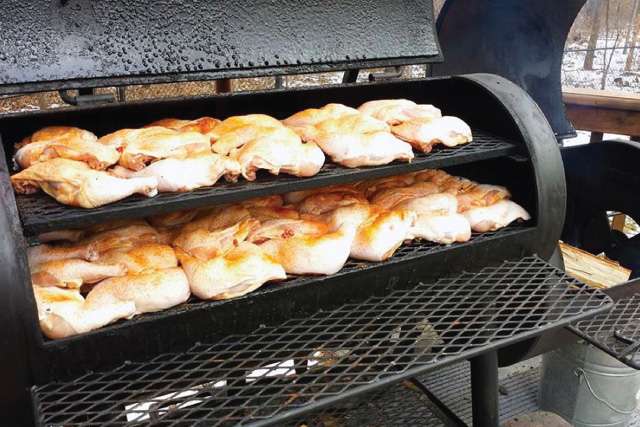
The catch is that not all of that space is always equal. On many offsets, the area closest to the firebox runs hotter, while the far end runs cooler. That can be useful once you know your smoker, but it also means you need to learn where to place different cuts.
Or, if you want an offset smoker with more even heat distribution, learn about reverse flow offset smokers vs regular offset smokers. That might be the best fit for you.
Vertical smokers use space differently. Instead of spreading food across one long grate, they stack food upward on racks or hang it from hooks. That makes them very efficient for their footprint. A vertical smoker can often cook a surprising amount of food without taking up much backyard space.

But width can be a limitation. Some vertical smokers are not wide enough for full racks of ribs or large briskets without trimming, folding, hanging, or choosing smaller cuts.
If you want wide, open grate space, an offset usually wins. If you want the most capacity for the smallest footprint, vertical smokers are hard to beat.
Heat Control and Consistency
Offset smokers give you more control, but they also make you work harder for it.
Because the fire sits to one side, heat has to travel through the cooking chamber before it exits through the stack. That creates airflow, but it can also create hot and cool zones. The firebox end usually runs hotter, especially on cheaper or thinner offsets.
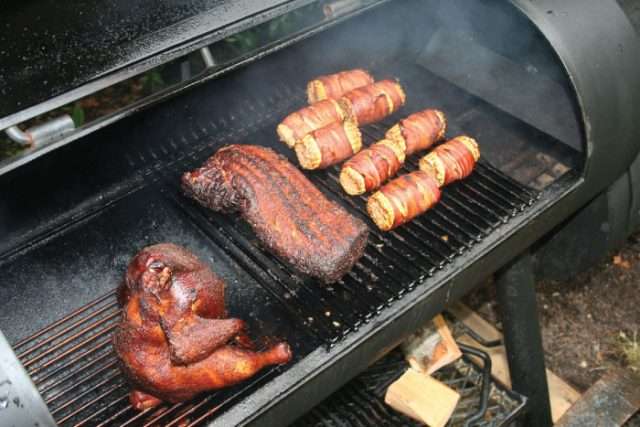
That’s not always a bad thing. Once you know your smoker, you can use those zones to your advantage. You might place larger cuts farther from the firebox, rotate meat during the cook, or use the hotter side for chicken or anything that benefits from more heat.
Vertical smokers are usually more predictable. Heat rises naturally from the fire at the bottom, and the narrower chamber helps create a steadier cooking environment. Models with water pans, like bullet smokers, can also help even out temperature and reduce harsh direct heat from below.

The trade-off is control. A vertical smoker is easier to stabilise, but you usually have less fine control over different heat zones. An offset gives you more to manage, but also more ways to adjust the cook once you understand it.
Versatility
Offset smokers are usually more versatile than vertical smokers, but only in a practical, limited way.
Most offsets are designed first as smokers. That’s what they do best. But some let you grill over the firebox, and others can be set up with charcoal grates in the main cooking chamber to turn the whole thing into a large charcoal grill.
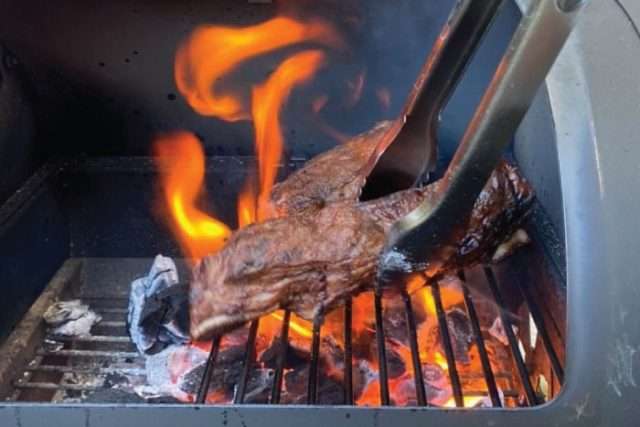
That can be useful if you want one barbecue that can smoke low and slow but also handle burgers, steaks, or a quick direct-heat cook.
Vertical smokers are pretty much the same. They’re made for smoking, and most aren’t great grills. Some drum smokers, like the Oklahoma Joe’s Bronco style, can be used for grilling too, but vertical smokers are still mostly built around low and slow cooking.

Either way you go, if you want a smoker that can grill as well, be sure to look for a model that does both hot and fast, and low and slow. Both our best offset smokers and best vertical smokers round ups have options that are suitable for grilling as well.
Learning Curve
Offset smokers have a steeper learning curve because the smoker only performs as well as the fire you build.
You need to learn how much fuel to add, when to add it, how to control the vents, what clean smoke looks like, and how your smoker behaves in different weather. Cheap offsets can make this harder because they often leak heat and smoke, run unevenly, or need simple gasket upgrades to seal better.
That doesn’t mean beginners can’t use an offset. They can. But you need to go in expecting a learning process, not perfect brisket on your first cook.
Vertical smokers are much easier to learn. Once you understand how much charcoal to use and where to set the vents, they tend to be forgiving. The fire burns more steadily, the chamber is easier to stabilise, and you don’t have to manage a separate firebox all day.

If you want to build traditional BBQ fire skills, choose the offset. If you want good smoked meat with less frustration early on, choose the vertical smoker.
Fuel Efficiency
Vertical smokers are generally more fuel efficient because they’re compact and naturally suited to holding heat.
A basket of charcoal can run for a long time in a well-designed vertical smoker. The upright chamber helps heat move through the cooker efficiently, and you’re not constantly feeding a separate fire to keep a large horizontal chamber hot.

Offsets tend to use more fuel, especially when running on wood splits. That’s not necessarily a downside if you enjoy cooking that way, but it does mean more fuel handling, more storage, and more attention during long cooks.
The difference is especially noticeable on longer cooks. A vertical smoker can quietly tick along for hours. An offset gives you more control and cleaner smoke potential, but it asks for more fuel and more involvement in return.
Real Cooking Experience
Cooking on an offset smoker feels like you’re actively involved in the cook from start to finish. You’re not just setting a temperature and waiting. You’re lighting the fire, watching how cleanly it’s burning, adjusting the vents, and adding fuel as the temperature starts to drop.
That’s part of the appeal. If you enjoy the process, an offset gives you a lot to do and a lot to learn. On a long brisket cook, adding a wood split every 45 minutes to an hour is pretty normal, and you’ll be checking the smoker often enough that it becomes the focus of the day.

But that same hands-on process can also be the downside. Cheap offsets can leak smoke and heat, and thinner metal makes temperature swings harder to control. You also need to learn the hot and cool zones across the grate, because the firebox end can run quite a bit hotter than the far side.
When you get it right though, an offset can produce some of the best barbecue you’ll make at home. The smoke is cleaner, the bark can be excellent, and you get a level of control that vertical smokers don’t really offer in the same way.
Cooking on a vertical smoker feels much calmer. Once the charcoal is lit, the vents are set, and the smoker has settled into temperature, you’re mostly monitoring instead of constantly managing. Some vertical smokers are very close to set-and-forget, while others still need small vent adjustments through the cook.
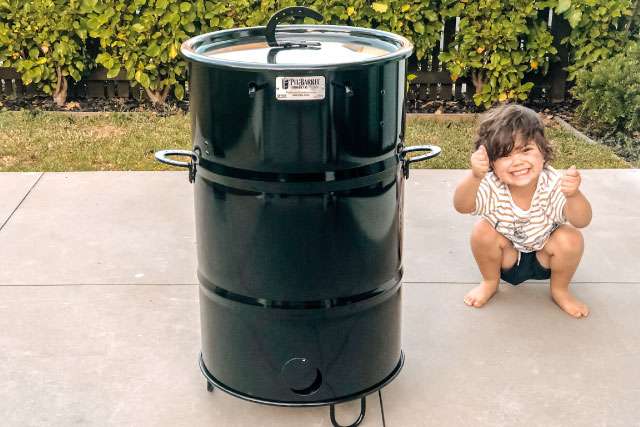
The big advantage is that vertical smokers make smoking feel easier. You still get real smoke flavor, solid bark, and great low and slow results, but without needing to spend the whole day feeding a fire. For a lot of backyard cooks, that makes them more realistic to use often.
The trade-off is that you don’t get the same fire control or smoke refinement as a well-run offset. You’re also working with the vertical shape, which can mean hanging meat, stacking racks, or trimming larger cuts to fit properly.
Offset vs Vertical Smokers: Which One Should You Choose?

Choose an offset smoker if:
- You want the most traditional BBQ experience
- You enjoy managing a live fire
- You want more control over smoke quality
- You’re happy spending the day actively cooking
- You want the best results
Skip an offset smoker if:
- You want something easy and low-maintenance
- You don’t want to check the fire often
- You’re likely to get frustrated by temperature swings
- You want predictable results with less practice
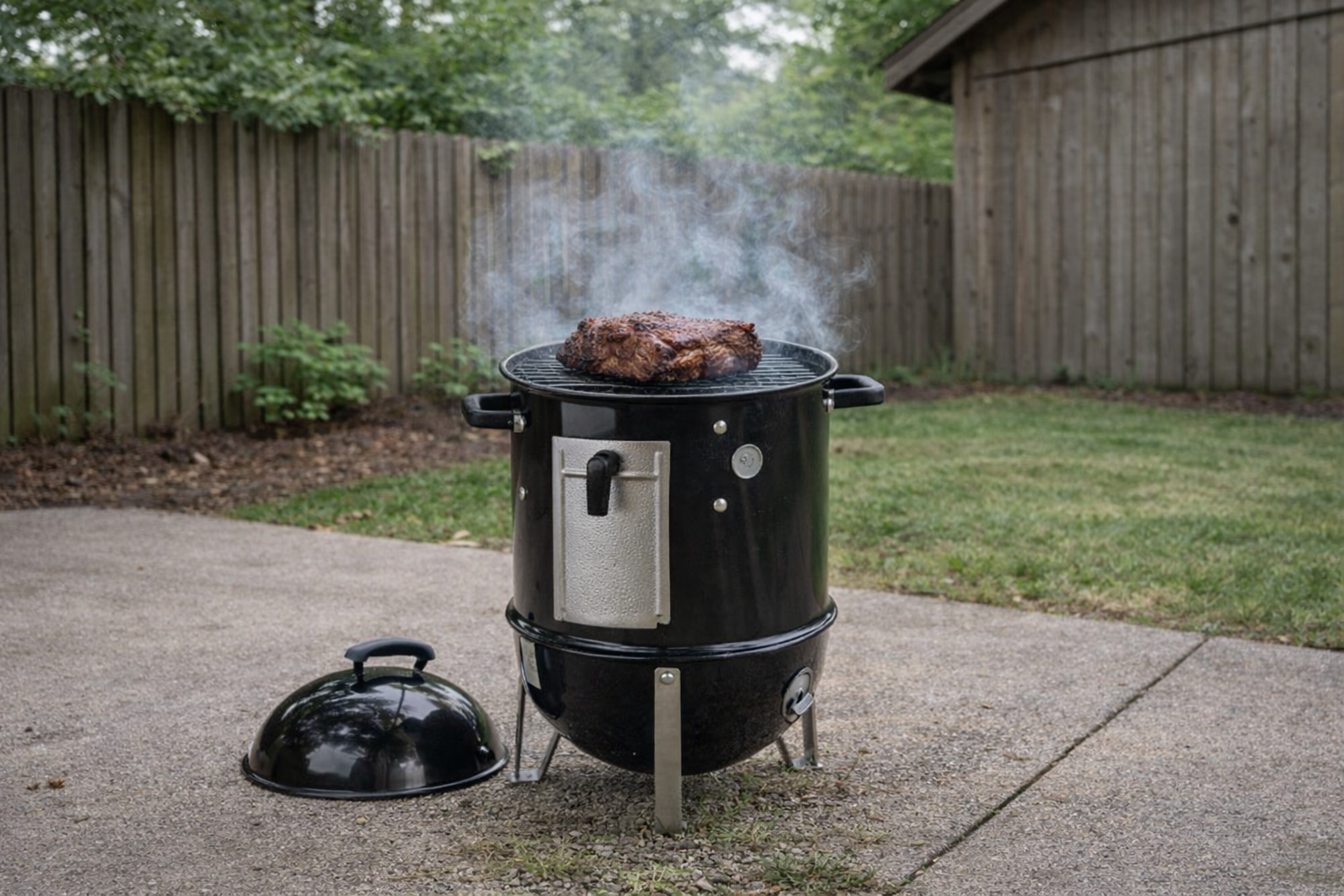
Choose a vertical smoker if:
- You want an easier way to make good barbecue
- You prefer more relaxed cooking
- You want better fuel efficiency
- You have limited backyard space
- You want something more beginner-friendly
Skip a vertical smoker if:
- You want full control over a wood fire
- You want the cleanest possible smoke profile
- You want wide open grate space for large cuts
- You want one smoker that can also grill well
Buying Advice
The biggest mistake is buying the smoker you like the idea of, instead of the smoker that suits how you’ll actually cook.
An offset sounds great if you love the thought of traditional barbecue, but you need to be honest about the time involved. If you only want to check the smoker occasionally while doing other things, an offset will probably feel like too much work.
A vertical smoker is usually the better choice for beginners, busy families, and anyone who wants to smoke food more often without turning every cook into a full-day project. You still get proper charcoal and wood flavor, but with less fire management.
If you’re buying your first smoker, I’d lean vertical unless you specifically want to learn fire control. If you already know you enjoy tending a fire and want to push your barbecue further, an offset is more rewarding long term.
Recommended Offset and Vertical Smokers
If you’ve figured out which type suits you better, these are the smokers I’d start with based on budget and how serious you are about cooking.
Recommended Offset Smokers
A popular backyard offset that can cook good food, but it benefits from sealing leaks and learning how to manage the fire properly.
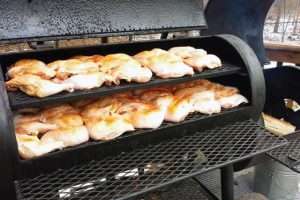
A serious offset smoker with heavier construction and steadier temperature control if you’re ready to invest more.

A large-capacity offset option that gives you a lot of room for the money, but still needs careful fire and airflow management.
Also see the: Best Offset Smokers Under $1000 | Best Offset Smokers Under $500
Recommended Vertical Smokers

A solid drum-style vertical smoker with good temperature control and more versatility than most simple upright smokers.
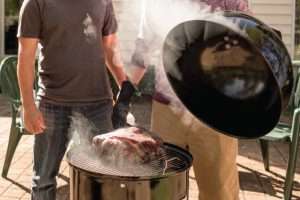
A classic bullet smoker that’s easier to manage than an offset and still capable of producing excellent low and slow barbecue.

One of the easiest vertical charcoal smokers to use if you want a simple, low-fuss setup that still delivers proper barbecue flavor.
Also see the: Best Charcoal Smokers
Final Thoughts
Offset smokers have the higher ceiling. They give you more control over the fire, airflow, and smoke quality, and they can produce incredible barbecue once you know what you’re doing.
Vertical smokers are easier to live with. They take up less space, use fuel more efficiently, and make it much simpler to cook good barbecue without spending the whole day tending a fire.
If you want the full hands-on BBQ experience, choose an offset smoker. If you want great smoked food with less effort, choose a vertical smoker.
FAQs About Offset vs Vertical Smokers
Is a vertical smoker better than an offset smoker?
A vertical smoker is better if you want easier fire management, better fuel efficiency, and a more beginner-friendly cooking experience.
An offset smoker is better if you want maximum fire control and the highest smoke quality potential, but only if you’re willing to manage the fire properly.
Do offset smokers produce better flavor?
A well-run offset smoker can produce cleaner smoke and better flavor than a vertical smoker. But that depends on your fire management.
If the fire is dirty, too smoky, or poorly controlled, an offset won’t automatically make better food. The smoker has more potential, but it also asks more from you.
Are vertical smokers good for brisket?
Yes, vertical smokers can cook great brisket. The main thing to check is whether the smoker is wide enough to fit the brisket without trimming or squeezing it in.
Some vertical smokers work better for hanging meat or cooking smaller briskets, while wider cabinet or bullet-style smokers give you more rack space.
Which smoker is better for beginners?
A vertical smoker is usually better for beginners. It’s easier to stabilise, needs fewer adjustments, and is more forgiving while you’re learning.
An offset smoker is still fine for beginners who specifically want to learn fire management, but it has a steeper learning curve.

Kate Brown is the founder of Burning Brisket, where she shares hands-on smoker reviews, barbecue gear guides, and practical tips for backyard BBQ. She has cooked extensively on charcoal, pellet, electric, and kamado smokers, using real-world experience to help beginners choose the right equipment and make better barbecue at home. Her focus is honest, straightforward advice that makes smoking and grilling easier without unnecessary complexity.